Item Prices
Illustrative item prices, explained
Item prices in CS2 move constantly. This guide shows illustrative ranges for popular weapon skins and knife skins, and explains how wear, float, StatTrak and rarity tier combine to set value.
What drives an item's price
Skin prices in CS2 are set by supply and demand, then refined by wear (float), pattern, StatTrak and rarity tier. The same finish can span a wide range depending on these factors, which is why every figure here is an illustrative range rather than a single number.
| Skin | Rarity | Illustrative range |
|---|---|---|
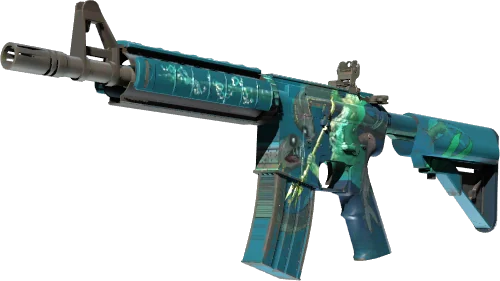
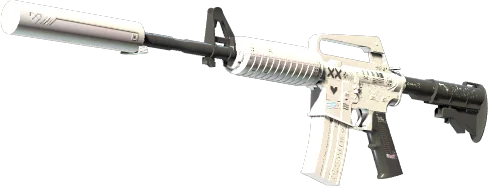
| M4A1-S | Printstream | Covert | $60-$180 |
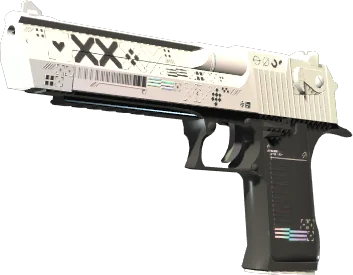
| Desert Eagle | Printstream | Covert | $45-$140 |
| AWP | Hyper Beast | Covert | $35-$95 |
| M4A4 | Poseidon | Classified | $120-$280 |
| M4A4 | Neo-Noir | Covert | $18-$55 |
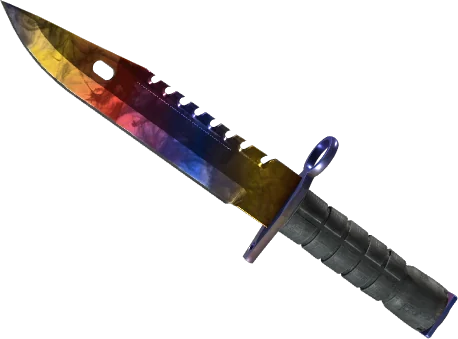
| ★ M9 Bayonet | Marble Fade | Special | $650-$1,100 |
Illustrative ranges for comparison only - not live quotes.
Price cards
How wear changes price
Wear is measured by a float value from 0 to 1. Lower floats look cleaner and usually cost more. The five bands - Factory New, Minimal Wear, Field-Tested, Well-Worn and Battle-Scarred - can create big price gaps on the same skin.
Check the wear band
Identify whether a skin is Factory New or a more worn tier before comparing prices.
Read the float
Within a band, a lower float can still command a premium on visible finishes.
Factor StatTrak
A kill counter adds a premium on popular skins but not on every finish.
Compare value across the stash
See how wear and rarity move prices, then explore the rest of the cs2 skin database.
Open CaseBrowse Rare SkinsFAQ
Frequently asked questions
Are these prices live?
No. Every figure is an illustrative range for comparison only. Confirm current values on an official marketplace before acting.
Why is there a range, not one price?
Wear, float, pattern and StatTrak all shift a skin's value, so a range reflects reality better than a single number.
What is float?
Float is a 0-1 wear value. Lower floats look cleaner and usually carry a premium on visible finishes.
Does StatTrak always cost more?
It typically adds a premium on popular skins, but demand for the specific finish still decides the final price.
Turning noise into a signal
Skin prices look chaotic until you break them into their parts. Rarity sets the ballpark, wear narrows it, pattern nudges it, and StatTrak adds or removes a premium depending on demand. Once you separate those forces, an item that seemed randomly priced starts to make sense. That is the whole purpose of our illustrative ranges: not to quote a live figure, but to teach you the shape of value so you can look at any skin and form a sensible expectation. When you do want an exact number, an official marketplace is the right place to confirm it. Until then, use these ranges to compare, learn and plan.